Installing an alarm system — do it yourself or have it installed?

An alarm system is one of the most important components of good security. But as soon as you choose a system, the next question often arises: do you install it yourself, or do you hire a professional? The right choice depends on the type of property, the complexity of the system, your technical skills, and the security objective. In this blog post, we explain when you can easily do it yourself, when an installer is the better choice, the costs you can expect, and what to look for with both options. We're big fans of DIY and even installed the alarm system in our own property ourselves. Now, that's not entirely fair: a professional telling you you can do it yourself. But it really is possible. Whether you should want to do it yourself depends on several factors.
Installing an alarm system yourself — when is it smart?
Many modern alarm systems are designed for DIY installation . Think of wireless systems like Ajax , Eufy, Yale, or Ring. These systems use battery sensors, automatic pairing, and apps that guide you step-by-step through the installation.
Benefits of self-installation
✔ Lower costs — no installation or labor hours
✔ Fast delivery — you can start right away
✔ Flexible expansion — add extra sensors or sirens later
✔ You know the system inside and out — useful in case of malfunctions and expansions
When is self-installation suitable?
- Houses and apartments
- Small shops or offices
- Locations without complex cabling
- No integration required with fire detectors, home automation or access control
Self-installation is ideal if you are technically adept , the system is wireless , and installation is not critical (e.g. for insurance or certification).
Disadvantages of self-installation
Although beneficial, there are risks associated with DIY installation.
✘ Sensors can be placed incorrectly — blind spots or false detection
✘ No certification for insurers
✘ Less suitable for large buildings or multiple zones
✘ Difficult to integrate with existing infrastructure
Alarm systems are all about reliability. A poorly installed PIR can mean a burglar can enter unnoticed.
Professional installation — when is it valuable?
A professional installer offers particular value when a system needs to be complex , critical , or certified . Think of businesses, warehouses, restaurants, office buildings, and high-risk locations such as jewelers or construction sites.
Benefits of professional installation
✔ Correct placement of sensors
✔ Customized advice for risk analysis and zoning
✔ Seamless integration with IP cameras, access control and fire detection
✔ Maintenance contract or breakdown service possible
✔ Certification (BORG, VEB, NEN standards) possible with some suppliers
Certification is particularly important for companies: insurers often require that security systems are professionally installed, maintained and certified.
When is an installer recommended?
- Large commercial buildings or storage
- Multi-storey or multi-zone building
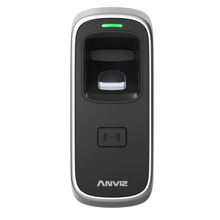
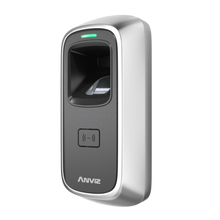
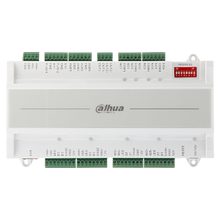
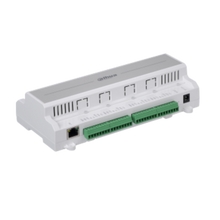
- Integration with access control (Akuvox, Anviz , Dahua)
- Integration with IP cameras ( Dahua , Uniview , Ajax)
- Insurance or risk class requires certification
Professional installation is about reliability and scalability — not just assembly.
Disadvantages of having it installed
✘ Higher costs (labor + service contracts)
✘ Waiting time / planning required
✘ Less flexible to adjust things yourself later
✘ Some installers require subscriptions
So always choose a party that does not apply vendor lock-in , especially when it comes to monitoring.
Cost comparison: what will you spend?
| Installation type | Indicative costs |
|---|---|
| Install it yourself (do-it-yourself) | €0 – €250 extra (materials only) |
| Basic installation home | €250 – €750 |
| Commercial installation medium-sized building | €750 – €3,500 |
| Certified installation with control room | €1,500 – €10,000+ |
This is highly dependent on the number of zones, sensor type, wiring and brand.
Certified vs. non-certified alarm system
Many consumers don't realize that certification isn't about the brand, but about installation + documentation + risk analysis .
For example, an Ajax system can:
- Non-certified installation (DIY)
- Must be delivered certified by a certified installer
This is crucial for business insurance and risk class 2+. Insurers often require a wired system to issue a certificate. Ajax offers a good solution in this area alongside their wireless Jeweller protocol, but as you might expect, this requires a higher installation cost.
Checklist: Do it yourself or outsource?
Answer the following questions:
1. Is the property large or commercial?
→ Yes? → Installer
2. Do you want to follow certification or insurance requirements?
→ Yes? → Installer
3. Wireless system for home?
→ Do it yourself
4. Integration with cameras or access control?
→ Installer, unless you are really handy.
5. Do you have time/technical knowledge?
→ If not, outsource
6. Do you expect a lot of future expansion?
→ Installer or hybrid approach
Hybrid approach: the best solution for many companies
Increasingly popular: a mix of doing it yourself and outsourcing .
For example:
- You install sensors and cables
- Installer configures zones, control room and certification
- You can add extra modules yourself later
This combines flexibility with expertise. Before you begin, make sure you've found an installer willing to take over. Many installers want complete control to deliver a good system.
Conclusion
The answer to the question "Install the alarm system yourself or have it done?" depends entirely on your situation.
Self-installation is ideal if:
- You have a residential home or small office
- You choose a wireless system
- Certification is not required
- You want to save costs
Professional installation is better if:
- It concerns commercial properties
- Insurance certification required
- Integration with other systems is required
- Reliability is essential
At home? Do it yourself.
Business-like and risky? Have it installed.
Want to choose a system or get tailored advice? Let me know — I'd be happy to help.