NO, NC, Fail Safe and Fail Secure – How to Choose the Right Access Control Configuration

In access control, reliability is everything. How a lock, electromagnetic lock, electric bolt lock or door opener responds to power determines not only how convenient it is to use, but also how safe it is in an emergency. Terms like NO, NC, fail safe and fail secure come up all the time. Many installers use them every day, yet still run into faults or wrongly chosen hardware in the field.
In this article we explain exactly what these terms mean, how they relate to each other and how to decide which configuration best suits your project – from a simple B&B setup to a fully secured business environment.
What do NO and NC mean?
The terms NO (Normally Open) and NC (Normally Closed) describe the state of an electrical contact when no power or control signal is applied.
NO – Normally Open
NO means the circuit is open when there is no power. No current flows; the contact is broken. Only when you apply power or a signal does the contact close.
In access control you'll come across NO in, for example:
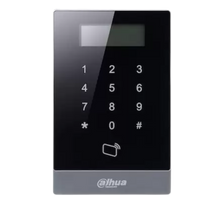
- The outputs of keypads, RFID readers or controllers that drive a lock.
- Momentary triggers such as push buttons for door-open signals.
NC – Normally Closed
NC means the circuit is closed when there is no power. Current does flow; the contact is active. When power or a signal is applied, the circuit opens.
You'll often see NC in security sensors that need to detect tampering, but also in locks that are locked by default.
Why does this matter?
The choice between NO and NC determines how equipment behaves when something is interrupted:
- With an NO contact, a power failure won't trigger any action.
- With an NC contact, a loss of power means the circuit "breaks open".
That's why NO/NC matters most for alarm signalling, tamper detection and controlling electric locking devices.
Fail safe or fail secure: how the lock behaves during a power failure
Where NO and NC describe the contact logic, fail safe and fail secure are about the mechanical state of the lock itself when the power fails.
Fail safe
Fail safe means: safely open during a power failure.
These locks need power to stay locked. If the power drops out, the door unlocks automatically.
Examples:
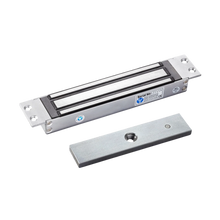
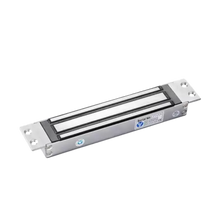
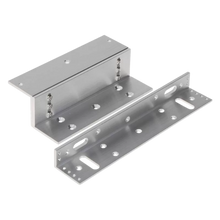
- Electromagnetic locks (maglocks), such as the YLI YM series.
- Some electric bolt locks or electric strikes designed for escape routes.
- Doors that must always remain usable for evacuation.
Applications:
- Offices
- Apartment buildings
- Emergency exits (provided they are certified)
- Projects where free passage takes priority during a power loss
Pros and cons:
- Pro: always safe to open in an emergency or power failure
- Con: during a power failure, physically insecure for spaces that actually need to stay locked
Fail secure
Fail secure means: safely locked during a power failure.
Here, power is needed to unlock the door. If the power drops out, the lock simply stays locked.
Examples:
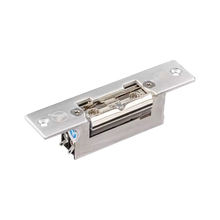
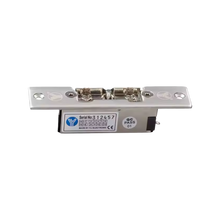
- Many electric strikes (YLI YS series, Safire or Anviz versions)
- Door locking in high-security areas
- Stock rooms or server rooms
Applications:
- Data centres and IT rooms
- Warehouses and stock rooms
- Vaults, archives and commercial installations
Pros and cons:
- Pro: maximum security in the event of tampering or a power failure
- Con: in an emergency you may need an additional mechanical emergency release
How do NO/NC relate to fail safe and fail secure?
What makes it confusing is that people often mix these terms up.
In short:
- NO/NC is about the control contact
- Fail safe / fail secure is about the state of the lock when the power fails
Even so, they work together in an installation.
Example 1: fail safe maglock with NC control
- The maglock only holds while powered → fail safe
- The controller provides an NC contact → on an open signal, the power is interrupted
- The door opens when the controller cuts the power
Example 2: fail secure strike with NO control
- The strike unlocks when powered → fail secure
- The controller provides an NO contact → closes when triggered
- The door only opens when the controller actively applies power
Why does this matter?
Because the wrong combinations lead to typical faults:
- A door that works the wrong way round (always open instead of always locked)
- A door that doesn't open during a fire or evacuation
- A door that doesn't comply with regulations
- Hardware that wears out faster due to incorrect wiring or wrongly set voltage ranges
How to choose the right option for your situation
At UMATECH we see that most users fall into one of the following scenarios. Use the guidelines below:
1. Standard access control for businesses
Best choice:
- Fail safe on main entrances
- Fail secure on offices, warehouses and plant rooms
- NC control (the most common setup on access controllers)
2. Apartment buildings and B&Bs
Best choice:
- Fail secure electric strikes (because the door must not fall open during a power failure)
- NO or NC depending on the controller; modern Akuvox and Safire controllers support both
3. Server rooms and secure storage
Best choice:
- Always fail secure
- Redundant power supply or UPS recommended
- NC control so that tampering (a cut cable) can be detected immediately
4. Emergency exits and escape routes
Best choice:
- Fail safe, provided it has been tested with the emergency power circuits
- Combine with the fire alarm system (FACP) for immediate release
- Maglocks are often chosen here for their reliability
Common mistakes in practice
Mistake 1: Confusing NO/NC with fail safe/fail secure
A common misconception: an NC lock is not fail secure by definition. Plenty of wrongly chosen locks end up in projects because of this mistake.
Mistake 2: Ignoring local regulations
In the Netherlands and Belgium, specific rules apply to doors that must open automatically in an emergency. Fail secure is not permitted on escape routes there without a mechanical emergency release.
Mistake 3: Not testing for a power failure
The only way to be sure your hardware is connected correctly:
pull the plug and see what happens.
Conclusion
NO/NC defines the control logic; fail safe/fail secure defines how the lock behaves when the power is lost. Combining the two requires an understanding of safety, regulations and how the door will be used.
At UMATECH we advise installers and end users every day on choosing the right access control hardware. Not sure whether to go for an electromagnetic lock, an electric strike or an electric bolt lock, or which configuration suits your project? Feel free to get in touch – we'll help you make sure your installation is safe, logical and future-proof.