Checklist – Professional Security for Retail Stores
A secure shop needs more than just cameras. This guide shows how a smart combination of camera poles, a secure network cabinet, stable Wi-Fi and reliable alarm systems gives your store the best protection against theft and vandalism.

Securing a shop calls for a well-thought-out approach. Camera footage matters, but so do power supply, network management and alarms. A good security system protects staff, customers, stock and data, and prevents damage from burglary or vandalism.
In this guide we give you a checklist for professional retail security and explain how the camera pole, network cabinet, Wi-Fi and alarm systems work together.
Camera pole
A camera pole is often the first visible part of a shop's security. It usually stands outside or inside the store and gives an overview of entrances, car parks or outdoor areas. When choosing a camera pole, pay attention to:
- Height and positioning: for the best field of view and no blind spots.
- Weather and vandal resistance: especially for outdoor installations or vulnerable locations.
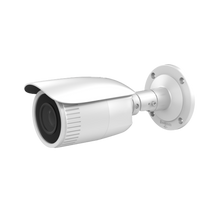
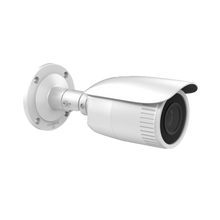
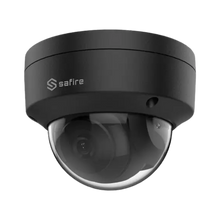
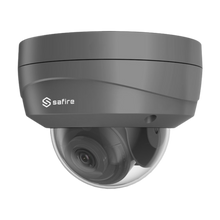
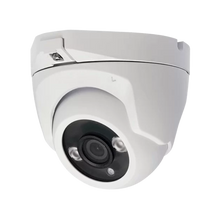
- Camera type: dome, bullet or PTZ, depending on the coverage and level of detail you need.
The camera pole and cameras can be linked to an NVR or cloud storage, so footage is stored securely and is available whenever an incident occurs. Tip: check the VRKI (the Dutch insurers' guideline for burglary protection) for how high to install your security lighting, cameras and other systems to prevent vandalism.
Network cabinet and network management
Reliable retail security requires a stable network and power supply. The network cabinet plays a central role here, because all network cables and devices come together in it. It's important that the cabinet is:
- Installed in a dry, secure place, protected against vandalism and unauthorised access.
- Properly earthed and neatly organised for easy troubleshooting and maintenance.
- Spacious enough for future expansion, such as additional cameras or sensors.
By connecting Wi-Fi, cameras and alarms through a well-managed network cabinet, the system stays stable and reliable.
Wi-Fi and wireless connections
Many modern shops use wireless connections for cameras, alarm systems or tills. The Wi-Fi network has to be secure, stable and powerful enough to handle continuous data streams. When setting up Wi-Fi, look for:
- A strong, secure signal with WPA3 encryption
- Sufficient coverage for both indoor and outdoor cameras
- Separate networks for guest Wi-Fi and security equipment
A well-designed network prevents interruptions in camera footage or alarm notifications.
Alarm and notification systems
An alarm system is the core of physical security. Modern systems don't just detect intruders; they also alert you to glass breakage, doors left open or emergencies. When choosing an alarm system, make sure it:
- Integrates with cameras and network equipment for a fast response.
- Can be expanded flexibly with different zones or additional sensors.
- Is reliable and easy for staff to operate.
A good alarm system works together with camera footage and notifications, so incidents are immediately visible and traceable.
Conclusion
Professional retail security consists of several layers: camera pole, network cabinet, Wi-Fi and alarm system. Together they provide overview, continuity and protection against theft, vandalism and outages. By choosing every component carefully and installing it correctly, you end up with a reliable, future-proof system.
UMATECH can advise you on the solutions that best suit your shop, including installation and configuration for optimal security.