Access control for apartment buildings – electric strike or electromagnetic lock?
In apartment buildings, access control is essential. Residents want convenience, property managers want security and installers want reliability. But which solution suits your building best: an electric strike or an electromagnetic lock?

Intercom locks for apartment buildings: electric strike or electromagnetic lock?
In apartment buildings, access control is essential. Residents want convenience, property managers want security and installers want reliability. But which solution suits your building best: an electric strike or an electromagnetic lock?
In this article we explain the difference, set out the pros and cons of both systems and help you choose based on your type of door, intercom and day-to-day use.
What does an electric strike do?
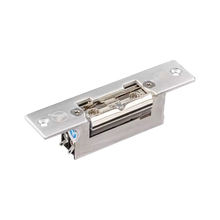
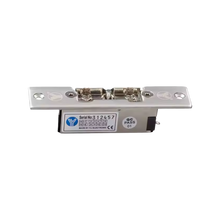
An electric strike replaces the standard strike plate in the door frame.
When it receives power (for example from the intercom or an access controller), the mechanism tilts and releases the lock's latch.
The door opens – without anyone having to turn a key.
Advantages of an electric strike:
- Compact, concealed mounting in the frame
- Low power consumption
- Works with existing mechanical locks
- Ideal for apartment entrance doors and interior doors
Disadvantages:
- Usually less holding force than an electromagnetic lock
- A mechanical part that can show wear after years of use
Popular models:
- YLI YS-131-NO-S – compact, 12 V DC, fail secure
- CDVI T290SIR12 – with night latch cut-out and a reversible stainless steel faceplate
What does an electromagnetic lock do?
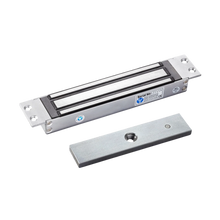
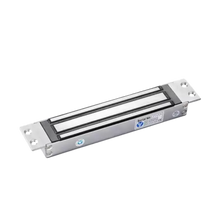
An electromagnetic lock consists of an electromagnet (on the frame) and a metal armature plate (on the door).
While powered, the magnet holds the door firmly shut – with up to 500 kg of holding force. As soon as the power is cut, the magnet releases and the door can be opened.
Advantages of an electromagnetic lock:
- Very high holding force (up to 500 kg)
- No moving parts, so extremely durable
- Silent and wear-resistant
- Ideal for glass doors, gates and shared entrances
Disadvantages:
- Always needs power to stay locked (fail safe)
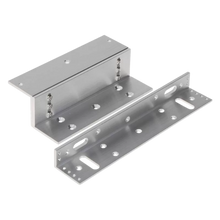
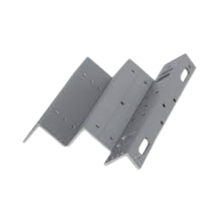
- Requires precise mounting with brackets
Recommended models:
- YLI YM-280N – versatile lock for interior and exterior doors
- YLI YM-500N – heavy-duty version with 500 kg holding force
Fail safe or fail secure?
In apartment buildings, this is an important decision.
- Fail safe: the lock releases during a power failure.
→ Safe in emergencies or in case of fire. - Fail secure: the lock stays locked during a power failure.
→ Better protection against burglary and unauthorised access.
Rule of thumb:
- For shared doors (entrances, fire exits) → fail safe
- For private doors or offices → fail secure
Which solution works best for apartments?
That depends on the situation.
| Door type | Recommended lock | Why |
|---|---|---|
| Main entrance (with intercom) | Electric strike (fail secure) | Compact, works with the existing latch |
| Glass door / lobby | Electromagnetic lock (280–500 kg) | No mechanical damage, silent in use |
| Gate or fencing | Electromagnetic lock (waterproof model) | High holding force and weather-resistant |
| Residents' interior door | 12 V DC electric strike | Easy to connect to the indoor monitor |
Connecting to an intercom system
Both electric strikes and electromagnetic locks work with virtually all Dahua, Hikvision, Akuvox and Safire intercoms.
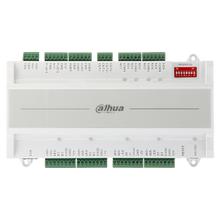
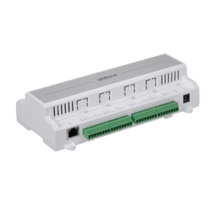
You connect them to the NO/NC relay output of the door station or via an access controller.
Use a 12 V power supply (min. 1 A) and check the polarity (on electromagnetic locks usually +V and GND).
For extra security you can set a short unlock time, so the lock only receives power for 2–3 seconds after a call.
Practical example
A homeowners' association (VvE) chooses a Dahua VTO4202F intercom for the main entrance.
The installer fits a YS-131-NO-S electric strike on 12 V DC.
When a resident presses "Open" in the app or on the indoor monitor, the strike receives power and the door clicks open.
During a power failure the door stays locked (fail secure), so unauthorised people can't simply walk in.
Combining an electromagnetic lock with an intercom
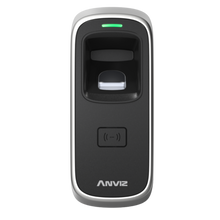
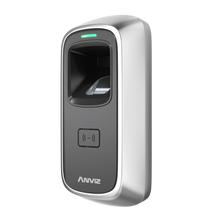
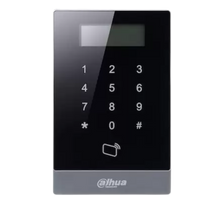
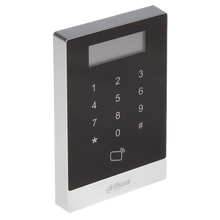
In upmarket apartment and office buildings you increasingly see an electromagnetic lock combined with an access controller.
For example:
- Residents open the door with an RFID card or face recognition
- Visitors call via the intercom
- The property manager can unlock doors remotely via an app or PC
The result is a hybrid system that is both secure and user-friendly.
Summary
An electric strike is ideal for standard doors with a latch – compact, quiet and reliable.
An electromagnetic lock offers maximum strength and durability, especially for glass or heavy doors.
The right solution therefore depends on your door type, the security level you need and the functionality you want.
Discover all electric strikes and electromagnetic locks at UMATECH – including brackets, power supplies and accessories, available from stock.