How to Install a Magnetic Lock on a Door – Step-by-Step Guide

A magnetic lock, also known as an electromagnetic lock or maglock, is a popular choice for access control in commercial buildings, apartment complexes, B&Bs and garages. Maglocks are silent, reliable and easy to control with an intercom, push button, keypad or RFID reader. But how do you actually install one on a door? In this guide we walk you through it step by step, using products from the UMATECH range.
This guide covers the electromagnetic lock used for access control, i.e. an electric magnetic lock that is controlled with power. That is not the same as a mechanical magnetic latch that you rout into an interior door. If you're looking to buy an electromagnetic lock, take a look at our electromagnetic locks or the full electric locks and locking category.
1. How does a magnetic lock work?
A common question is how exactly a magnetic lock works, and what it actually is. In short, a magnetic lock is an electric lock that keeps a door closed using magnetic force instead of a mechanical bolt. As long as it is powered, the door stays shut.
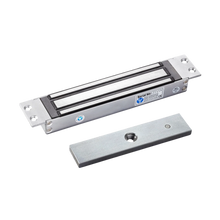
A magnetic lock consists of two parts:
- The magnet (electromagnet): mounted on the door frame
- The armature plate: mounted on the door itself
When the lock is powered (usually 12 V DC), the armature plate is pulled firmly against the magnet, typically with a holding force of 280 kg to 500 kg. As soon as the power is cut, the lock releases.
In other words, you are closing the door with a magnet: together, the electromagnet and the armature plate form the magnetic locking mechanism. This works on wooden, aluminium and steel doors. On a steel door, make sure you use the right bracket so the magnet sits perfectly flush.
Note: magnetic locks are fail safe: they unlock automatically during a power failure.
2. What do you need?
For the installation:
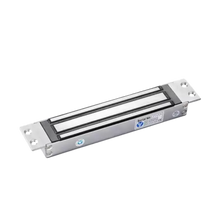
- YLI magnetic lock (e.g. YM-280N(LED))
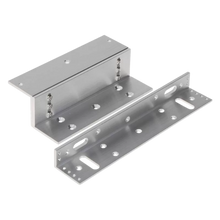
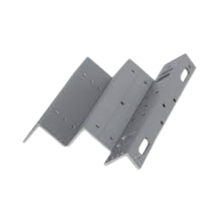
- Mounting kit (L bracket, plus ZL bracket for outward-opening doors)
- 12 V power supply or PoE controller
- Cable (e.g. YVD 2x0.75 mm²)
- Optional: door closer, push button, RFID reader or keypad
UMATECH supplies these parts as individual components or as complete access control kits.
3. Step-by-step installation
Step 1: Decide on the position
- Choose whether to fit the lock at the top or in the middle of the door (the top is most common)
- Make sure the frame is suitable for mounting the magnet
- Work out whether you need an L bracket or a ZL bracket, depending on which way the door opens
Step 2: Mount the magnet
- Screw the magnet to the door frame
- Make sure the magnet sits completely flush
- Use wall plugs when mounting on concrete or masonry
Step 3: Mount the armature plate
- Fix the armature plate to the door using the supplied rubber washer
- Leave a little play so the plate can align itself magnetically
Step 4: Run the cabling
- Use a 12 V power supply or PoE controller (via an access controller)
- Route the cables neatly through the frame or along a cable duct
- Connect the magnet with the correct polarity (usually black = − / red = +)
This cabling step is essentially wiring up the magnetic lock: you connect the electromagnetic lock to the power supply and the controller. If you also want to fit a magnetic door contact to see whether the door is open or closed, run an extra wire pair straight away. That way you can add a door contact later without pulling new cable.
Step 5: Connect the control
- Connect the magnet to a relay, push button, reader or intercom
- Use a momentary contact to test that everything releases correctly
Step 6: Test and fine-tune
- Test the holding force by hand (the door should not come free under normal force)
- Check the LED status if the lock supports it
- Check that the door closes properly with a door closer
4. Common mistakes (and how to avoid them)
| Mistake | Result | Solution |
|---|---|---|
| Magnet not mounted flush | Poor holding force | Make sure the surface is flat and use the right bracket |
| Wrong polarity | Lock doesn't work | Check the wiring and the + / − connections |
| No door closer | Door doesn't close properly | Always fit one for reliable locking |
| Cable too thin | Voltage drop | Use 0.75 mm² or thicker for cable runs over 10 m |
5. UMATECH installation advice
UMATECH supplies everything you need for a successful installation:
- YLI magnetic locks with or without LED
- L, U and ZL brackets for every door situation
- 12 V power supplies, relay modules and cabling
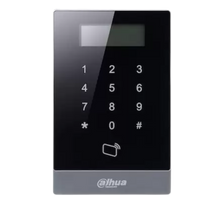
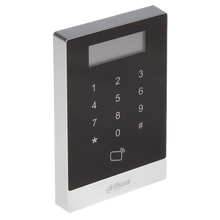
- RFID readers, keypads and intercoms
Need help choosing the right combination of lock, power supply and control? We're happy to help.
UMATECH – smart access, professionally installed.
Where are magnetic locks used?
You'll find magnetic door locks everywhere, from offices to homes. For interior doors you'll often choose a lighter model, which keeps the door neatly closed without a visible bolt. For an interior door, a holding force of 280 kg is usually more than enough.
Outdoors, the requirements are tougher. A magnetic lock on an exterior door has to withstand wind and weather, so choose a weatherproof version with a higher holding force. The same applies to exterior doors and gates in general: the heavier the door or gate, the more holding force you need. On a gate, the lock is often combined with a keypad or remote control.
Individual parts such as the electromagnet can be found in our electromagnetic locks category. Wiring up an electromagnetic lock follows the same steps as above. Looking for a complete system with reader and controller? Have a look at our access control range.
Magnetic lock FAQ
What is a magnetic lock and how does it work?
A magnetic lock is an electric lock that keeps a door closed using an electromagnet. As long as it is powered, the magnet holds an armature plate on the door firmly in place, so the door stays locked. Cut the power and the magnet releases, allowing the door to open. This is called fail safe.
What are the disadvantages of a magnetic lock?
The main disadvantage of a magnetic lock is that it only works with power, so the door opens during a power failure. On an escape route that is exactly what you want, but if you're using it as burglar-resistant locking you'll want a backup. You also always need cabling and a power supply. A proper installation prevents most problems.
My magnetic lock isn't working – what should I do?
If your magnetic door lock isn't working or has stopped working, first check the power supply and the polarity of the wiring. If an interior door with a magnetic lock stays stuck, it is probably still powered or the armature plate isn't aligned properly. Measure the voltage and check that the relay switches correctly.
Can I operate a magnetic lock with a key?
An electromagnetic lock is normally operated with a push button, keypad, RFID reader or intercom, not with a key. If you do want key operation or a mechanical emergency release, combine it with a key switch or an additional mechanical lock. That way you can still open the door by hand during a power failure.
How do I wire an electric door lock or magnetic door contact?
An electric door lock is connected to a 12 V power supply and a control device such as a relay or controller. Pay close attention to the polarity. A magnetic door contact is wired via a separate wire pair to your alarm system or controller, so you can see whether the door is open or closed. Ideally, pull all these cables in one go.
Can I install a magnetic lock myself?
Yes, with some technical know-how you can install a magnetic lock yourself. Follow the steps in this guide: magnet on the frame, armature plate on the door, cabling and control connected, then test. For an electric lock on a front door or a heavier gate, we recommend an experienced installer. Stuck? Send us a WhatsApp message.