UPS batteries – applications, lifespan and why your installation needs one

A UPS battery (Uninterruptible Power Supply) is the unsung hero of many technical installations. When the power goes out, a UPS keeps sensitive equipment running – or allows it to shut down safely. Whether you work with network infrastructure, video surveillance, alarm systems or off-grid applications, a good UPS battery prevents data loss, outages and costly damage.
In this article you will learn exactly what a UPS battery is, what it is used for, how long it lasts and how to choose the right one for your situation.
1. What is a UPS and how does it work?
A UPS system is a device that sits between the wall socket and your equipment. It contains an internal battery that kicks in immediately in the event of a power failure or voltage fluctuations.
Main functions:
- Continuity during power interruptions
- Surge and spike protection
- Temporary power for a safe system shutdown
UPS units come in several types:
- Offline/standby (for PCs and simple applications)
- Line-interactive (for networks and servers)
- Online/double conversion (for critical installations with zero transfer time)
The internal UPS battery is the power source behind all these systems.
2. UPS battery applications
UPS batteries are used across all kinds of sectors. At UMATECH we supply UPS solutions for, among other things:
- Video surveillance: so recorders and cameras keep recording
- Network equipment: routers, switches and PoE devices
- Access control: door locks, card readers and intercoms
- Smart home systems: home automation, alarm control panels
- Off-grid systems: as backup in hybrid setups
- Industry and healthcare: medical and process-critical systems
In all these cases, the UPS battery is the last line of defence against data loss or downtime.
3. How long do UPS batteries last?
UPS batteries don't last forever. On average they last 3 to 5 years, depending on type, usage and maintenance.
Factors that affect battery life:
- Temperature: ideally around 20–25 °C
- Number of cycles: the more often it is fully discharged, the shorter its life
- Battery quality: AGM and gel batteries last longer than standard flooded lead-acid batteries
- State of charge: prolonged deep discharge shortens battery life
With heavy use or in warmer rooms, replacement may be needed within 2–3 years.
4. How do you know when a UPS battery needs replacing?
A worn UPS battery usually shows clear warning signs:
- The UPS shuts down immediately when the power fails
- Shorter backup time than usual
- A warning beep or indicator on the UPS
- A swollen or leaking battery (visual inspection)
Many modern UPS units run self-tests and alert you when the batteries need replacing.
5. Types of UPS batteries
Most UPS systems use lead-acid batteries, but there are several variants:
a) AGM (Absorbed Glass Mat)
- Maintenance-free
- High current output
- Widely used in IT and security
b) Gel battery
- Longer service life
- More resistant to deep discharge
- Ideal for cyclic use
c) LiFePO4 (lithium iron phosphate)
- Lightweight, long service life (>10 years)
- More expensive, but very stable
- Popular in high-end installations and off-grid applications
UMATECH mainly supplies AGM and LiFePO4 UPS batteries for reliable performance.
6. How to choose the right UPS battery
When choosing a UPS or a standalone battery, consider:
- Capacity (Ah / Wh): how many devices need power, and for how long?
- Voltage: 12 V, 24 V or 48 V? Match this to the UPS or installation
- Charging technology: choose the right charge controller for external batteries
- Housing and ventilation: install it safely in an enclosure or rack
Worked example: You want to keep a router (12 W) + switch (20 W) running for 1 hour → you need 32 Wh in total → you need at least a 12 V 10 Ah AGM battery (12 V x 10 Ah = 120 Wh gross; allowing for losses).
7. Maintenance and placement
Tips for a longer service life:
- Place the battery in a cool, dry location
- Inspect it visually every month and test it annually with test software
- Use a temperature sensor for battery management where possible
- Keep ventilation openings clear when installing in a cabinet
UPS batteries are generally maintenance-free, but periodic checks prevent nasty surprises.
8. UPS systems in practice (UMATECH advice)
At UMATECH, UPS batteries are often used in:
- Camera poles with PoE switches and routers
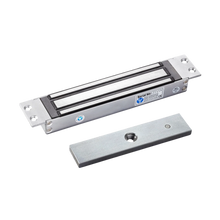
- Access control systems with electromagnetic locks or automatic door operators
- Off-grid solar systems as backup on overcast days
- Server cabinet installations in small businesses and shops
We help you select the right capacity and charging technology, including fuses, cabinet installation and cabling.
9. Summary: why a UPS battery is indispensable
| Application | Why a UPS battery? |
|---|---|
| Camera and NVR systems | Prevents loss of footage |
| Network and Wi-Fi | Stays online during power cuts |
| Access control | Door opens or stays locked during an outage |
| Off-grid installations | Extra buffer for cloudy days |
A small investment with a big impact on reliability.
10. UMATECH supplies your UPS solution
At UMATECH you will find everything you need for a reliable backup power supply:
- AGM and LiFePO4 UPS batteries
- Compact UPS systems for rack, wall or cabinet mounting
- Accessories such as fuses, cabinet modules and temperature sensors
- Personal advice for your project
Request a quote today or get in touch with our specialists.
UMATECH – keeping your installation powered.